by Nicole Morell of Honeybunch
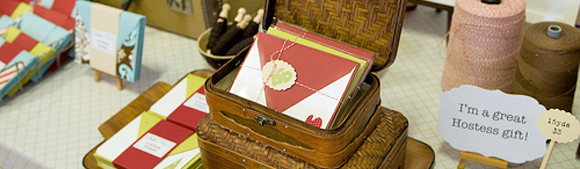
After the buying season at the big gift shows, a good community craft show is like a shot of espresso for my tchotchke-weary eyes.
Though I’ve never actually counted, I’d say during the course of the average convention center-sized show I shuffle past hundreds of booths, stopping at maybe a couple dozen to take a closer look at the wares. After a while it definitely feels like work. And it is: buying for the shop is serious business, and my single biggest expense. But stocking the shelves should be fun too, and for that you can’t beat the thrill of the hunt at a craft show.
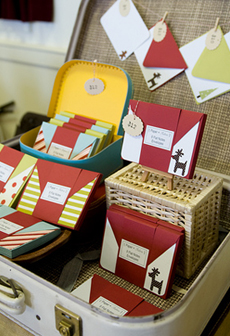
Craft shows are normally geared to consumers and not to retailers, but my spidey sense tingles if I come across something great, whether it’s at a church bazaar (handknit dolls!), a local art show, or major craft event.
After introducing myself and professing my sincere love for their work, I will politely ask a booth owner if they wholesale – all the while keeping my fingers crossed because I find the question often comes as a surprise, especially to folks just starting out.
It seems like an easy question: either you do or you don’t wholesale, but you’d be surprised at the number of times I’ve worked out a deal on the spot. It’s good to know the answer in case a retailer – large or small – falls in love with your product. Let’s assume that you do indeed want to develop a wholesale business in addition to your retail sales. You’ll need to tackle a few essentials first:
- Pricing: Wholesale Vs Retail. The usual retail mark-up, sometimes called keystone pricing, is double the wholesale cost. I buy a hat from you for $14, and I sell it for $28. The challenge is finding the sweet spot between what you need to charge to make money and what the market will bear. Price too high and your business will be stuck in first gear. Price too low and you may have lots of sales, but you won’t have any profit with which to grow. I’ve fallen in love with many an Etsy seller, only to find that their “retail” pricing is also their “wholesale” pricing. If they can’t sell it for twice the price, chances are neither can I – and I’d never want a customer to feel ripped off if they found it on Etsy for half the price.
- Inventory. Do you have on-hand inventory to sell wholesale? If not, what is your lead-time to produce more? Retailers will want to know – especially if it’s a seasonal buy. It may be easier (and more profitable) to offer select products for wholesale, rather than your entire range.
- Minimums. Many wholesalers require an initial minimum purchase, which can be as low as $100 or as high as $1000. No minimum order is always attractive to retailers, because it lets us try a small buy, and if it sells, we’ll definitely be back. But at a craft show, if you’re prepared to sell wholesale on the spot, it’s common practice to specify a modest minimum order.
- Consignment. This can be a great way to get your product into a store and in front of customers and a no-risk way for a retailer to try a new product. Everybody wins. The usual split is 60/40 with 60% of the selling price going to you. The retailer returns any unsold merchandise after the trial period (1 – 3 months is standard).
- Documentation. Find out what state/provincial tax identification or business registration information you need from retailers who are buying for resale. If you are not charging sales tax on resale purchases, you need to keep a record of those ID numbers.
- Retailer support. We love when you have great hi-res product images we can use. And a retailer link list on your site. And when you keep in touch to tell us about new products and to ask how things are selling for us. You’ll gain feedback on your products, packaging and price in the bargain.